
Overview
In today’s competitive digital landscape, agencies need to leverage every advantage to drive client satisfaction and retention. White-label SEO reports have emerged as an essential tool for marketing and web agencies looking to deliver professional, customized insights without investing extensive time in manual reporting. These reports allow agencies to showcase their SEO efforts under their own brand, reinforcing trust and professionalism while streamlining internal workflows.
At its core, white-label SEO reporting involves using SEO tools that generate comprehensive performance data and analytics, which agencies can rebrand and tailor for their clients. This approach not only saves time but also enhances client communication by presenting data in a clear, branded format that clients can easily understand and appreciate.
Agencies benefit from integrating powerful agency SEO tools that combine audit, monitoring, keyword tracking, and content suggestions into one unified platform. These platforms often include automation features that reduce repetitive tasks, enabling teams to focus on strategy and optimization. Leveraging such tools means agencies can provide faster, more accurate updates on SEO progress, helping clients see tangible results.
SEO reporting automation is particularly valuable for agencies managing multiple clients simultaneously, as it ensures consistency and accuracy in reporting without the risk of human error. By adopting white-label solutions that support automation, agencies can maintain a high level of professionalism and responsiveness, critical factors in client retention and growth.
“Delivering clear, branded SEO insights not only strengthens client relationships but also positions agencies as trusted partners in digital growth.”

Importance of White-Label Reports
White-label SEO reports serve as a bridge between complex SEO data and client understanding. For agencies, these reports are not just documents but powerful communication tools that demonstrate value, progress, and expertise. The importance of white-label reporting lies in its ability to provide clients with personalized, easy-to-digest insights that align with the agency’s brand identity.
Clients often find raw SEO data overwhelming and difficult to interpret. By transforming this data into branded, visually appealing reports, agencies enhance clarity and transparency. This leads to improved client communication, fostering trust and making clients feel involved in the optimization process.
Moreover, white-label reports empower agencies to differentiate themselves in a crowded marketplace. Presenting data under the agency’s brand reinforces professionalism and showcases a commitment to quality and detail. This differentiation is crucial for winning new business and retaining existing clients who seek reliable partners capable of delivering measurable results.
Another key benefit is the efficiency gained through standardized reporting templates that can be customized for each client. Agencies save valuable time while ensuring every report highlights the most relevant SEO insights—from keyword rankings and backlink profiles to technical SEO audits and content performance.
“White-label reports are more than just data—they are a reflection of your agency’s expertise and dedication to client success.”
Customizing SEO Reports
Customization is the heart of effective white-label SEO reporting. Agencies must tailor reports not only to reflect their brand but to meet the unique needs and goals of each client. This personalization increases the relevance of the information presented and helps clients focus on the metrics that matter most to their business.
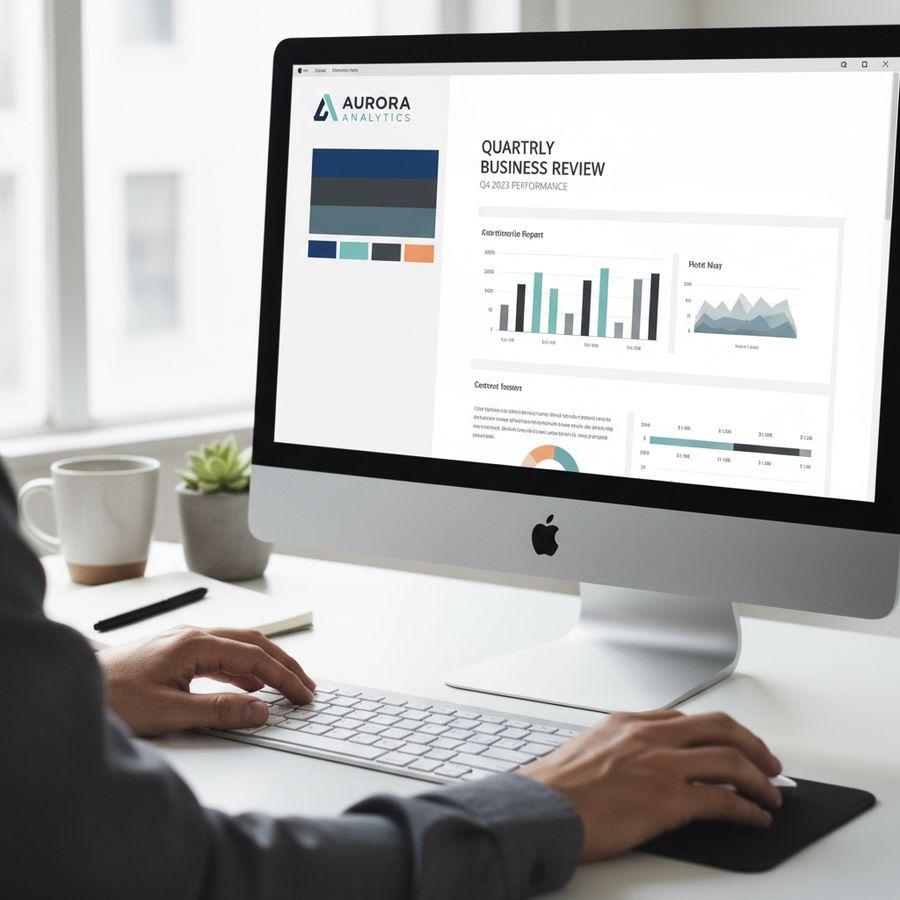
Customizing SEO reports typically involves adjusting visual elements such as logos, color schemes, and fonts to align with the agency’s or client’s branding. More importantly, customization extends to selecting and prioritizing key performance indicators (KPIs) and SEO metrics that resonate with the client’s industry, objectives, and current campaign focus.
Many advanced SEO platforms allow agencies to build modular reports where sections can be added, removed, or reordered. This flexibility means agencies can emphasize areas such as on-page SEO improvements, backlink growth, or content engagement based on the client’s priorities. Additionally, narrative sections with actionable recommendations can be included to guide clients on next steps.
- Branding elements: logos, colors, and typography
- Relevant KPIs and metrics tailored to client goals
- Modular report sections for focused insights
- Actionable commentary and strategic recommendations
- Integration of client-specific data sources
By investing in customized SEO reports, agencies demonstrate a deep understanding of client needs and position themselves as strategic advisors rather than just service providers. This approach enhances client satisfaction and drives long-term partnerships.
Integrating Client Data
An effective white-label SEO report gains depth and relevance through the seamless integration of client-specific data. Agencies that incorporate real-time data from multiple sources provide a more comprehensive view of SEO performance and its impact on the client’s business goals.
Integrating client data means pulling in analytics from platforms such as Google Analytics, Google Search Console, and social media channels, alongside SEO audit results and keyword tracking data. This holistic approach enables agencies to correlate SEO efforts with website traffic, user behavior, and conversion metrics—vital insights for demonstrating ROI.
Moreover, advanced agency SEO tools support integration with popular CMS platforms like WordPress, Shopify, and Webflow, enabling direct access to on-page SEO elements and content performance without manual data entry. This integration not only saves time but also increases accuracy, reducing the risk of outdated or incomplete information in reports.
“Integrating diverse client data sources into a single report enriches the narrative and provides clients with a clear picture of SEO’s impact on their business.”
By leveraging APIs and automated data syncing, agencies can ensure their white-label reports are always current, empowering clients with up-to-date insights for timely decision-making. This level of integration is a hallmark of professional SEO reporting and a critical factor in client trust and satisfaction.
Automating Report Generation
Time is one of the most valuable resources for busy agencies managing multiple clients. SEO reporting automation is a game-changer that allows agencies to produce consistent, accurate reports with minimal manual effort. By automating report generation, agencies can focus more on strategy and client engagement rather than data compilation.
Automation tools enable agencies to schedule regular report deliveries, configure data refresh intervals, and customize reporting templates that adapt to different client needs. This ensures that clients receive timely updates without delays or errors, reinforcing the agency’s reliability.
Additionally, automation reduces the risk of human error, which can lead to inaccurate data presentation or missed insights. Automated workflows can also trigger alerts for significant changes in SEO performance, enabling proactive communication with clients.
- Scheduled report generation and delivery
- Template customization for efficiency
- Real-time data syncing for accuracy
- Automated alerts for performance anomalies
- Reduced manual labor and faster turnaround
Employing SEO reporting automation not only increases productivity but also improves the client experience by providing consistent, reliable updates. This scalability is essential for agencies aiming to grow without compromising quality.
Presenting Clear Insights
Delivering raw data alone is not enough. Agencies must translate complex SEO metrics into clear insights that clients can understand and act upon. The clarity of presentation directly influences how clients perceive the value of SEO services and their willingness to invest long-term.
Effective SEO reports use visual aids such as charts, graphs, and heatmaps to illustrate trends and results intuitively. Complementing these visuals with concise explanations and actionable recommendations helps clients grasp the significance of the data.
Presenting clear insights also involves prioritizing information based on client goals. For example, an e-commerce client might focus on conversion rates and product page rankings, while a local business may prioritize local search visibility and citation accuracy.
“Insightful reporting transforms data into a story of growth, helping clients understand the journey and the value delivered.”
Ultimately, the goal is to empower clients with knowledge that builds confidence in the agency’s expertise and encourages collaborative decision-making. Agencies that excel in presenting clear SEO insights stand out as trusted partners who bring transparency and clarity to a complex digital landscape.
Conclusion
White-label SEO reporting is a strategic asset for agencies seeking to differentiate themselves, enhance client communication, and demonstrate measurable value. By leveraging advanced agency SEO tools that support customization, data integration, and automation, agencies can deliver polished, insightful reports that resonate with clients’ unique needs.
The ability to present SEO insights clearly and consistently builds trust, fosters client loyalty, and accelerates business growth. As SEO continues to evolve, investing in white-label reporting solutions that streamline workflows and enhance transparency will remain a critical factor in agency success.
For agencies ready to optimize their reporting processes and stand out in a crowded market, embracing white-label SEO reporting is not just an option—it’s a necessity.